Boat propulsion systems : types and electric options
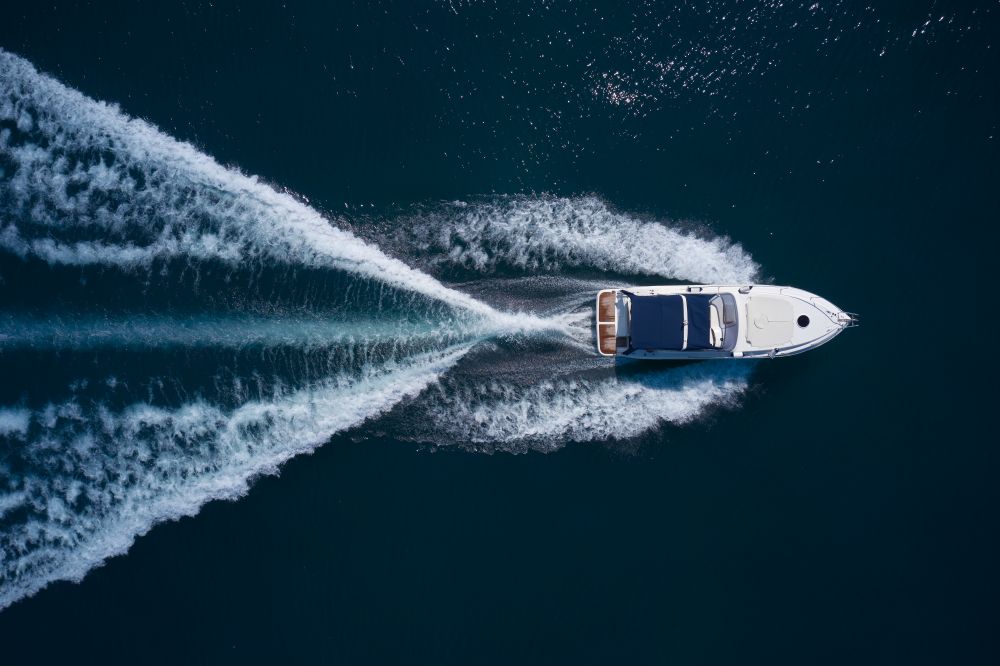
Boat propulsion systems are the core of how a vessel moves through water. Whether you operate a recreational boat or commercial craft, understanding your propulsion system is essential for safety, performance, and regulatory compliance.
This guide explains the main types of boat propulsion and focuses specifically on electric boat propulsion systems, which are increasingly used in Canadian waterways.
Key takeaways
- There are five primary types of boat propulsion systems: outboard, inboard, stern drive, jet drive, and electric.
- The best propulsion system depends on your boat size, water conditions, and operating environment.
- Electric boat propulsion systems are ideal for eco-sensitive areas and short-range use.
- Understanding your system helps ensure safe operation, fuel efficiency, and regulatory compliance.
- Regular maintenance, whether for a gas engine or electric boat motor, extends equipment life and reduces risk.
Table of contents
What is a boat propulsion system ?
A boat propulsion system is the complete mechanical setup that moves a vessel through water. It consists of a power source (either a combustion engine or an electric boat motor), a transmission system to transfer power to a thrust mechanism and a device that pushes water to move the boat, usually a propeller or water jet. Together, these components determine how efficiently a boat accelerates, handles, turns and maintains speed.
Beyond basic movement, propulsion affects fuel consumption, range, noise levels, emissions and required maintenance. For example, an electric propulsion system reduces mechanical complexity and eliminates fuel use, but it requires batteries, charging infrastructure and power management. A gas-powered inboard or outboard engine, on the other hand, provides higher speed and range but comes with more environmental impact and upkeep.
Understanding these dynamics is key for boaters choosing the right system for their vessel type, water conditions and intended use.
Types of boat propulsion systems
Outboard motors
Outboard motors are one of the most widely used propulsion types, especially in small to mid-sized recreational boats. They are mounted on the transom, outside the boat’s hull and combine the engine, transmission and propeller in a single unit. This design allows for easy removal, replacement and steering by rotating the entire engine assembly.
Outboard systems are available in both gasoline and electric versions, offering flexibility for different needs and budgets. They are relatively simple to maintain and popular for fishing boats, tenders and pontoons. However, their exposed position means they’re more vulnerable to theft and environmental wear. While they provide excellent maneuverability, they are generally less efficient for larger or high-speed vessels.
Inboard engines
Inboard engines are housed within the boat’s hull, with a shaft extending through the hull to a fixed propeller. Unlike outboards, inboard systems use a rudder for steering, offering precise directional control, particularly at higher speeds.
These systems are favored in larger vessels such as yachts, sailboats, and commercial boats due to their powerful performance and stability. Because the engine is inside the hull, it contributes to a lower center of gravity and more balanced weight distribution. However, inboards require more space and more complex maintenance access. Professional installation is often necessary, and their higher cost may not be justified for smaller or recreational vessels.
Inboard configurations like the V-drive are also commonly used in wakeboarding boats, where the engine placement improves performance and interior space usage.
Stern drives
Stern drives, also known as inboard/outboard (I/O) systems, combine features of both inboard and outboard engines. The engine is located inside the hull, while the drive unit extends outside, similar to an outboard. This hybrid design offers the power and balance of inboards with the maneuverability and trim control of outboards.
Stern drives are popular in family cruisers and sport boats, especially for freshwater use. They are quieter than traditional outboards and provide better handling at cruising speeds. However, they do involve more moving parts, which means increased maintenance, especially in saltwater where corrosion can occur without proper care. Despite this, they are often seen as a good compromise between performance and usability.
Jet drives
Jet propulsion systems use an internal impeller to draw water into a pump and force it out through a nozzle, generating thrust. This mechanism eliminates the need for a traditional propeller, making jet drives safer around swimmers and wildlife.
Jet boats are highly maneuverable, capable of quick acceleration and sharp turns. They are well-suited for shallow waters or areas with underwater hazards, where a traditional propeller might be damaged. Jet drives are commonly used in personal watercraft, rescue boats, and some military vessels.
That said, jet drives are generally less efficient at low speeds and can be louder than other systems. They also require frequent cleaning to prevent clogging from sand, debris, or plant material.
Electric boat propulsion systems
Electric boat propulsion systems are powered by battery-driven electric motors, offering a clean and quiet alternative to traditional fuel engines. These systems are particularly suitable for inland lakes, marinas, and eco-sensitive areas where noise and emissions are a concern.
Electric propulsion has gained significant traction thanks to advances in lithium battery technology, which has improved range, reliability, and safety. Electric boat motors produce no exhaust fumes, making them more comfortable for passengers and environmentally responsible.
However, range and charging infrastructure remain the main limitations. Most electric systems are currently better suited for short trips or smaller boats. Retrofitting a traditional gas-powered vessel with an electric system is possible but requires careful assessment of power needs, weight distribution, and regulatory compliance. Despite these challenges, electric propulsion is becoming increasingly viable, especially in regions where environmental standards are tightening.
Electric boat motors : key benefits and challenges
Electric boat propulsion systems offer a cleaner, quieter alternative to fuel-based engines. Their main advantage lies in their silent operation and zero emissions, making them ideal for eco-sensitive areas and quiet inland waterways. Electric boat motors require minimal maintenance, no oil changes, fuel filters, or spark plugs, reducing both cost and mechanical complexity.
However, range limitations remain a key challenge. Even with modern lithium-ion batteries, electric systems are best suited for short or medium-range outings. The lack of widespread charging infrastructure also limits flexibility. Additionally, while the running costs are low, the initial investment, especially for retrofits, can be significant.
Still, for boaters with predictable routes and environmental priorities, electric boat propulsion systems offer a reliable and increasingly viable solution.
How to choose the right propulsion system
Choosing the right propulsion system depends on several factors: vessel size, water type, distance to travel, and noise or emission regulations. Outboard motors are simple and versatile, ideal for small boats and beginners. Inboards offer more power for larger vessels, while stern drives provide a balanced mix of performance and space-saving.
Jet drives shine in shallow or obstacle-filled waters, but they lose efficiency at low speeds. Electric boat motors are best for quiet, regulated environments—though range and charging access must be considered. Your choice should align with your usage pattern, local rules, and maintenance ability. Budget is important too: electric systems cost more upfront but save over time.
In short, there’s no universal best system, only the one best suited to your needs.
Maintenance for all propulsion systems
No matter which type of propulsion you choose, regular maintenance is key to safety, performance, and longevity. Each system has specific care requirements:
- Outboard and inboard engines need routine oil changes, fuel filter replacements, and cooling system flushing. Propellers should be inspected for damage, and saltwater use requires additional corrosion checks.
- Stern drives demand attention to both internal and external components. Hydraulic trim systems, seals, and the outdrive housing should be serviced to prevent wear or water intrusion.
- Jet drives must be cleared of debris like weeds or sand after every outing. The intake grate and impeller should be checked for blockage or signs of wear.
- Electric propulsion systems require less mechanical upkeep, but batteries and electrical connections must be monitored. Terminals should remain clean and dry, and safety devices like emergency shut-offs must be tested regularly.
The National Boating Safety School safe boating course will prepare you to obtain your Pleasure Craft Operator Card
The National Boating Safety School offers a Transport Canada approved boating safety course that will prepare you for the official online boating exam. Once you pass the test, you will be awarded your lifetime Pleasure Craft Operator Card. Register today!
Frequently Asked Questions
1. What is the typical charging time for electric boat propulsion systems?
Charging time depends on the battery capacity (measured in kWh), the type of charger used, and the available power supply at the dock. With a standard Level 1 charger (110V), a full charge can take 10 to 20 hours for small boats. Using a Level 2 charger (220V) can reduce this to 4 to 8 hours. Some commercial marinas offer DC fast charging, which can charge up to 80% of the battery in 1 to 2 hours but this infrastructure is not yet widespread in Canada. To plan effectively, boaters should calculate their vessel’s energy needs and ensure they have access to suitable charging facilities before long outings.
2. Can I switch from an outboard to an inboard system on my current boat ?
It’s technically possible but rarely practical. Converting requires major hull modifications, new steering and cooling systems, and can cost more than the boat’s value. In most cases, upgrading your outboard or choosing a vessel designed for inboards is a better option.
3. Is one propulsion system more fuel-efficient than the others ?
Yes, but efficiency depends on boat size and usage. Inboards are usually more efficient at steady cruising speeds, while modern 4-stroke outboards are fuel-efficient on smaller boats. Jet drives are less efficient overall. Proper maintenance and propeller choice can improve fuel economy regardless of the system.
Sources
- Government of Canada. Canada Transportation Act (S.C. 1996, c. 10) Justice Laws Website. https://laws-lois.justice.gc.ca/eng/acts/C-10.4/page-1.html
Related CONTENT
LAtest ARTICLES