The Parts of a Boat: Correct Boating Terminology
It’s important to know the difference between upstream and downstream so you can correctly interpret buoys and avoid collisions on Canadian waterways.
Key takeaways
- Recreational boaters in Canada must be familiar with the correct nautical terms for the parts of a boat so that they can follow safety and navigation guidelines.
- Special terms for boat parts include bow, stern, port, starboard, hull, keel, and more.
- The National Boating Safety School teaches students the parts of a boat and all essential boating safety rules so they can pass the Transport Canada boating exam and earn a lifetime Pleasure Craft Operator Card.
Table of contents
Boat terminology basics: the main sections of a boat
Do you know how to refer to the “front”, “back”, “left” and “right” side of your boat using nautical terms? Boaters use different terms for many things, including the four main sections of any vessel.
Bow
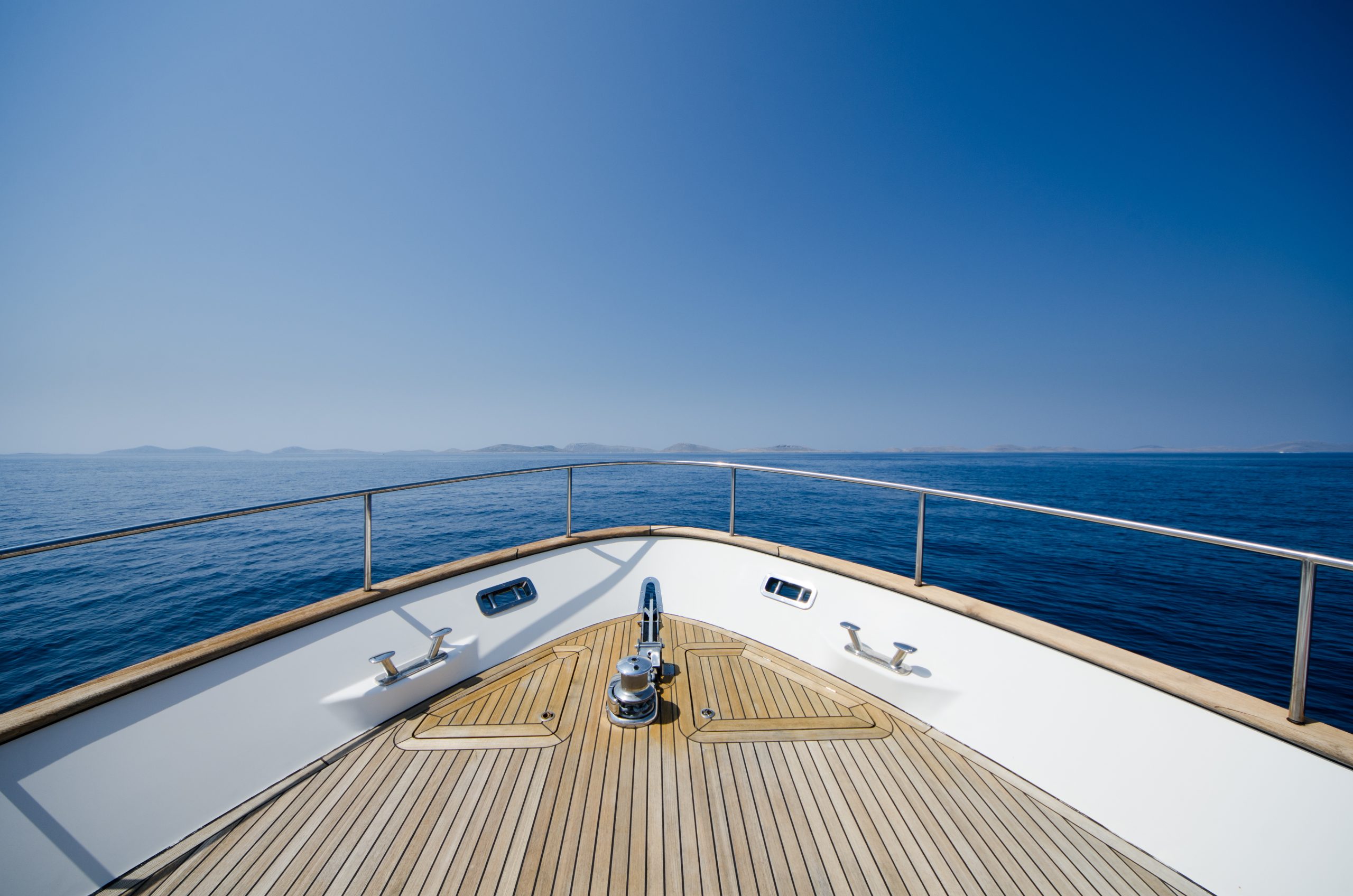
The bow is the front part of a boat. It includes the prow, the stem and the foremost part of the hull.
Stern
The stern is the back part of a boat. The word “stern” is thought to stem from the word “steer”, since boats are usually steered from the back.
Port
Port is the nautical name for the left side of a vessel.
Starboard
Starboard is the nautical name for the right side of a vessel.
Why not just use “left” and “right” for “port and “starboard”?
The terms port and starboard always refer to the same portions of a boat, regardless of whether you are looking at the boat head-on, or from behind. This eliminates confusion, which is vital for safe navigation, especially in emergency situations. You can learn more in our article about the difference between port and starboard.
Centerline
The centerline is an imaginary line running from the bow to the stern of a vessel. The line divides the boat into two completely equal halves.
The anatomy of a boat: correct terms for the parts of a boat
Now that you’re familiar with the main sections of a boat, let’s take a closer look at its other components.
Deck
The decks are the horizontal surfaces of a vessel. They are usually made of wood or metal. There can be several levels of decks, each at a different height from the keel. The space between decks is aptly named the tween deck.
Keel
The keel is one of the most important parts of a boat. It’s the structural component that links the stem to the stern tube.
Stem
The stem is a piece of wood or metal that forms the foremost part of the hull. The stem features in the expression “from stem to stern”, which means from one end to the other or involving the whole of something.
Underside
The underside is the part of a boat’s hull that is submerged.
Stern tube
The stern tube contains the rudder fittings. Usually made of wood or metal, it is located at the very back of the hull.
Steering mechanism
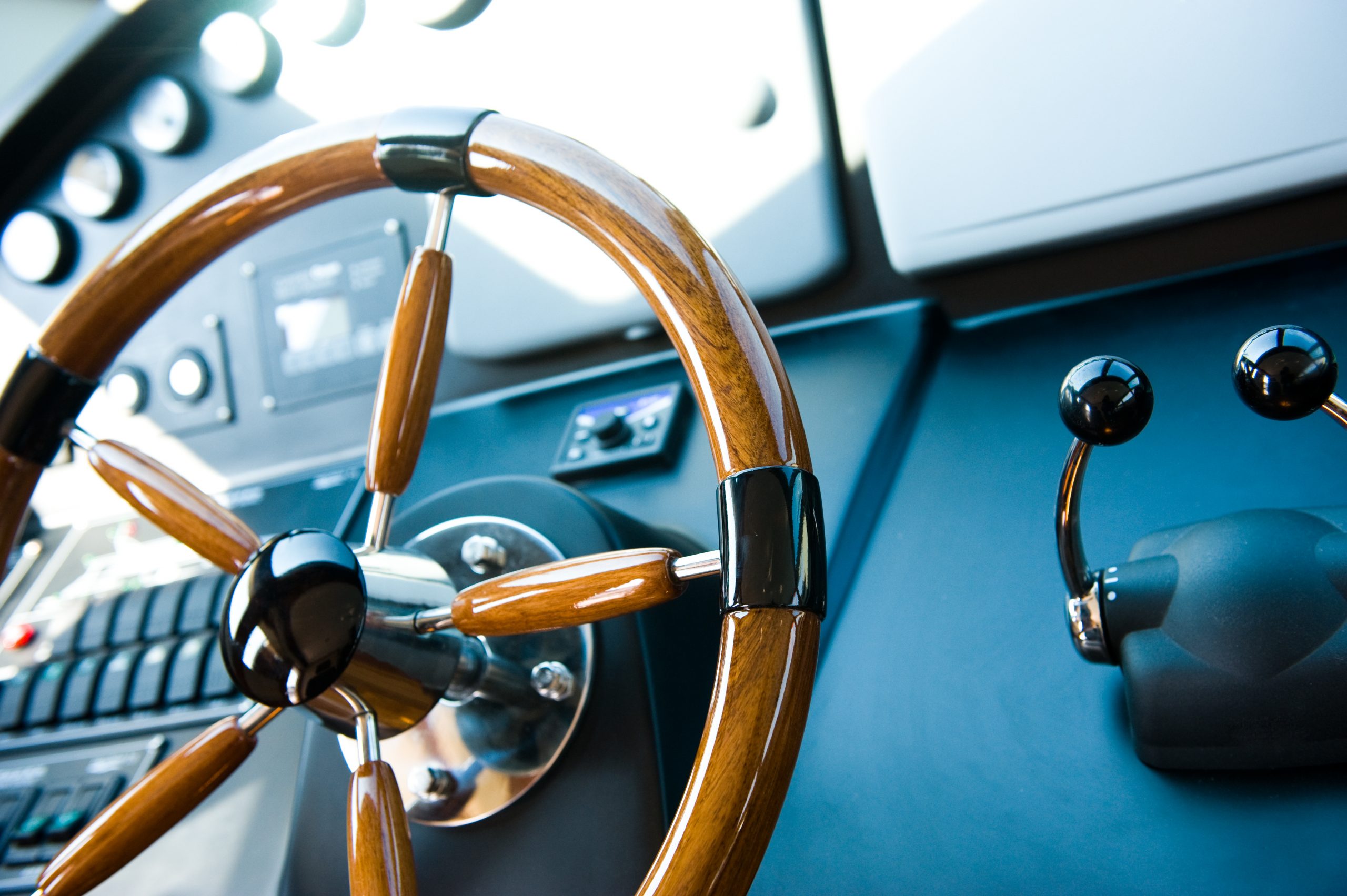
The steering mechanism of a boat includes the rudder, which is a device located under the waterline that controls the direction of the boat, and the helm, which is operated by a boater to control the rudder.
Propeller
The propeller is the component that propels the boat forward. The propeller is crucial because it is the main factor that determines the boat’s speed and the way it handles.
Motor
Boat motors can be outboard or inboard. A boat engine can be powered by gasoline or electricity.
Outboard
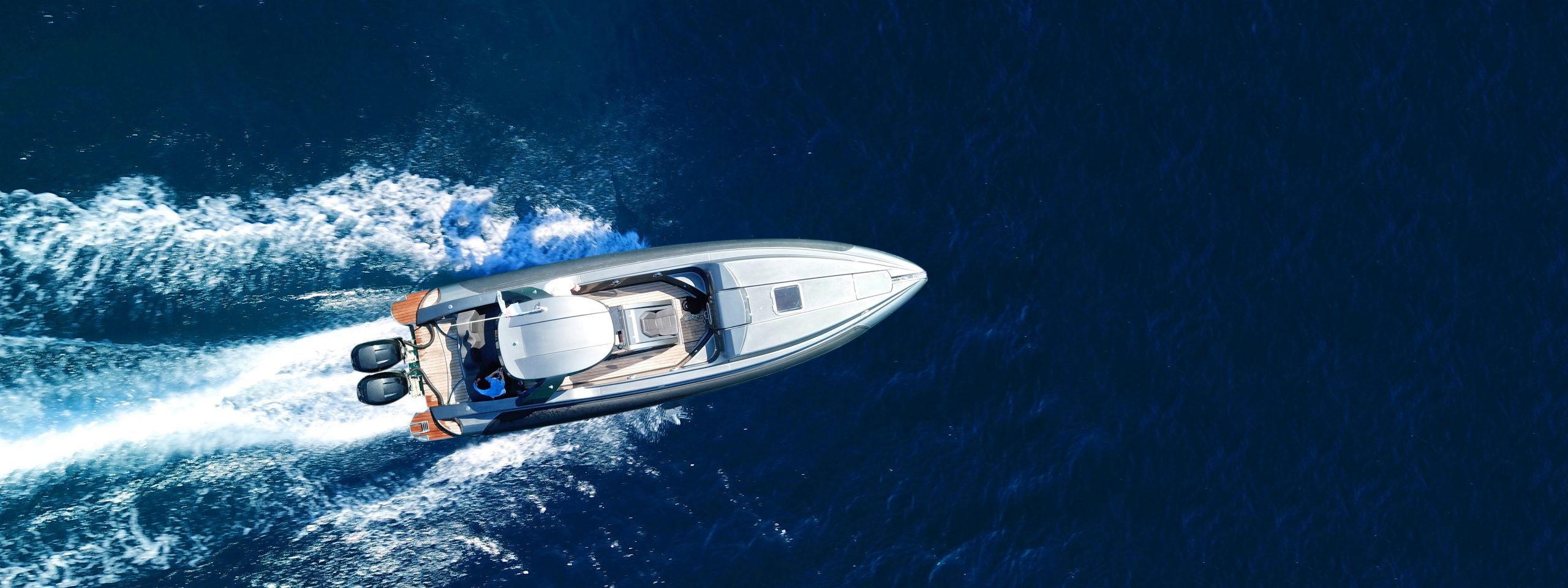
Outboard motors are located on the outside of a boat and tend to be easily visible. They are usually attached to the hull and are common on small motorboats.
Inboard
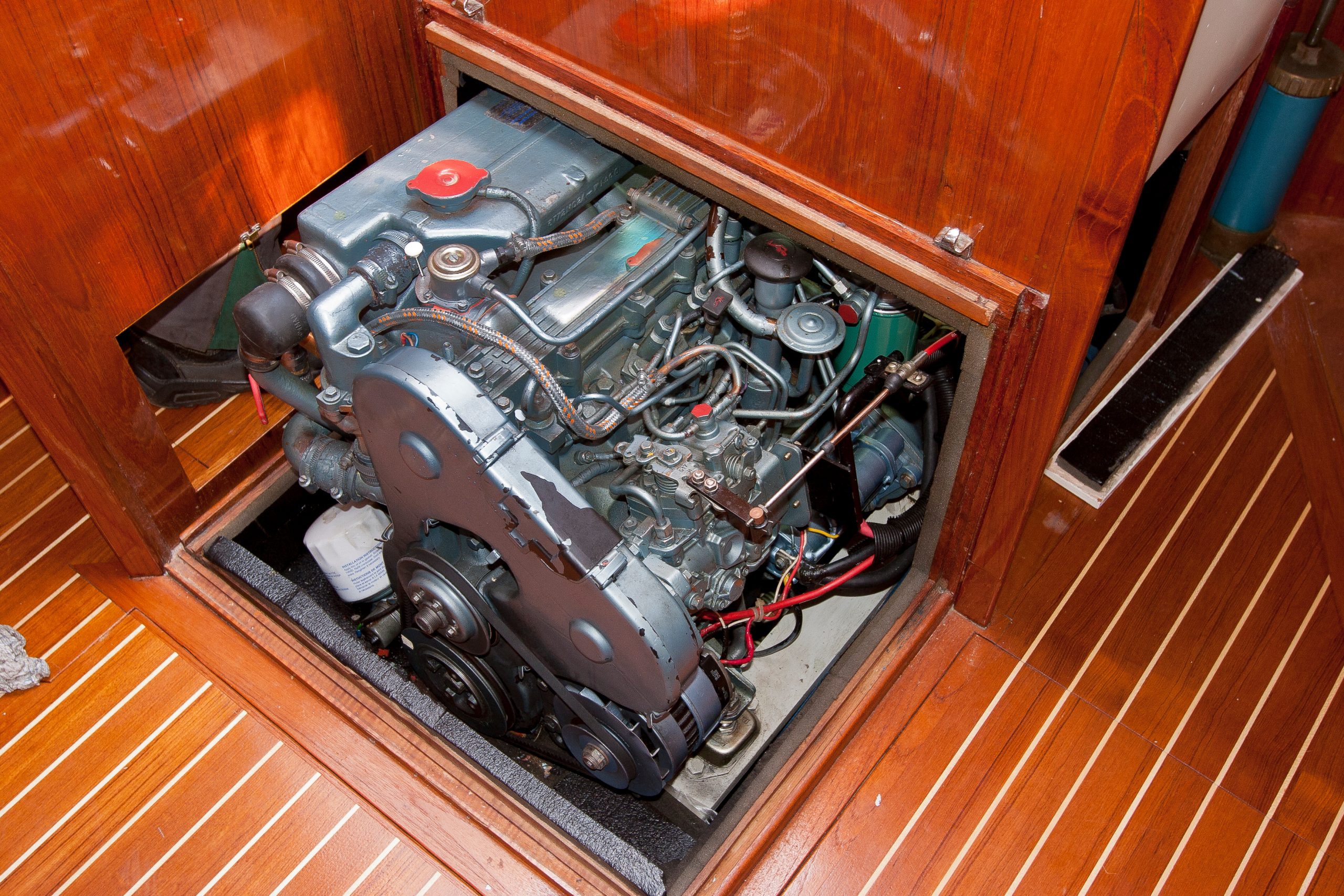
Inboard motors are located inside a boat and can be found on vessels large and small. Inboard boat motors work differently than their outboard counterparts.
Hull
The hull is the external structure of a boat, excluding the cabin, mast, deck and rigging. There are several different types of hulls. A boat made up of two connected hulls is called a catamaran, and one with three is called a trimaran.
Waterline
The waterline is the level the water reaches on a boat’s hull. It’s the line that separates the submerged part of the boat (the draft) from the part that is above the water (the freeboard).
Most boats will have a mark that indicates where the waterline should be. If the waterline mark is submerged, that means that the current load exceeds the boat’s maximum capacity, as indicated on the compliance notice.
Hold
The hold is the space inside a boat between the keel and the lowest deck. On cargo ships, goods are usually kept in the hold.
Gunwale
The gunwale (pronounced ‘guh-nulnal’) is the upper edge of the boat’s hull, usually where the deck meets the hull.
Transom
The transom is a flat or slightly curved surface forming the stern, often used to mount motors and sometimes reboarding devices.
Console
A boat’s console is the central area with controls, steering, and electronic displays.
Cabin
The cabin is the enclosed living or sleeping quarters on a boat.
Galley
The kitchen area of the boat is called the galley.
Head
If a boat contains a toilet or bathroom area, it is referred to as the head.
Bilge
Bilge describes the lowest area inside the hull where water collects and is pumped out using a bilge pump or manual water pump. The term can also refer to the water in the bilge.
Beam
The beam is the widest part of the boat from side to side.
Cleats
These are metal fittings on the deck used to secure ropes for docking.
Hatch
A hatch is an opening or door providing access to compartments below deck.
Bimini
A bimini is a canvas or composite cover that provides shade on a boat.
Hardtop
Unlike a bimini, a hardtop is a solid protective covering for the driver or cabin area.
Ballast
Ballast includes weights or tanks used to improve stability or aid with wake formation.
Fenders
The cushions hung over the side of a boat to prevent damage from docks or other boats are called fenders.
Freeboard
The freeboard is the vertical distance from the waterline to the upper deck or gunwale.
Chine
The chine is the angle where the hull bottom meets the sides, influencing handling.
Centerboard
This retractable fin helps prevent sideways drift on sailboats.
Rails
The grab handles for passengers, often fitted to the gunwale, are called rails.
Windshield
The transparent barrier at the bow protecting passengers from wind and spray is called a windshield, just like its counterpart on a car.
The National Boating Safety School safe boating course will prepare you to obtain your Pleasure Craft Operator Card
The National Boating Safety School offers a Transport Canada approved boating safety course that will prepare you for the official online boating exam. Once you pass the test, you will be awarded your lifetime Pleasure Craft Operator Card. Register today!
Frequently Asked Questions
1. What do 'aft' and 'forward' mean?
Aft is moving towards the stern/back, and forward is moving towards the bow/front.
2. What are the front and back of a boat called?
The front of a boat is called the bow, and the back is called the stern.
3. Why do I have to learn the correct terms for boat parts?
Learning the correct terms for boat parts allows for greater safety and clear communication on the water.
In an emergency, seconds matter. Using precise terms eliminates confusion and ensures everyone reacts correctly, whether you are shouting out the location of the fire extinguisher or communicating important navigation information to another vessel.
Nautical terminology is a universal language for sailors and boaters around the world. In addition, when talking to a mechanic, a repair technician, or a marina staff member, you need to use the correct name (e.g., transom, propeller, cleat, gunwale) so they know which part needs service.
Terms are also tied to critical measurements and functions, such as the types of activities suited to your boat’s hull type, and how well your vessel is likely to navigate rough water or strong winds.
Related CONTENT
LAtest ARTICLES