
Manual Water Pump Requirements for Boating in Canada
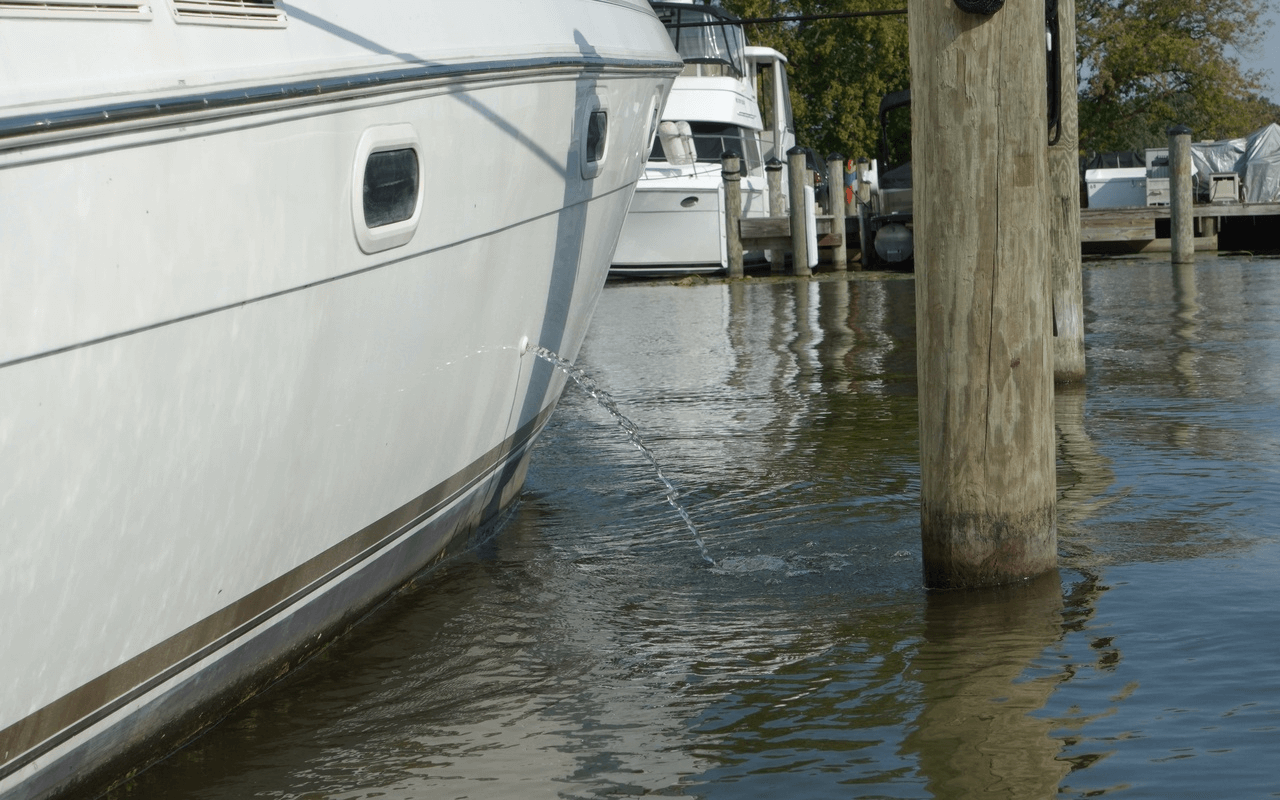
A manual water pump is an important piece of boating safety equipment. In fact, Canada’s Small Vessel Regulations stipulate that it is legally required that you carry a specific size of manual water pump on most types of boats.
Key takeaways
- A manual water pump (or manual bilge pump) is a hand-operated pump used to remove water from a boat.
- Sailboats and powerboats between 9 (29.5 feet) and 12 metres (39.4 feet) in length must carry a manual water pump on board. Rules vary for other sizes and types of watercraft, including PWCs.
- Longer boats generally require larger pumps. Water pump capacity is measured in gallons per hour (GPH). Choose a pump with a capacity anywhere from 700 to 220 GPH, depending on the length of your pleasure craft.
- Manual water pumps can be hand-held, fixed (or bulkhead-mounted) or foot pumps.
- You can use a bailer as well as or instead of a pump, as long as you also have a manual pump on board.
Table of contents
What is a manual water pump?
A manual water pump, also known as a manual bilge pump, is a hand-operated pump with a hose that is used to remove water from a boat.
Types of boats that require a manual water pump
Sailboats and powerboats between 9 (29.5 feet) and 12 metres (39.4 feet) in length must carry a manual water pump on board.
Smaller vessels (less than 9 metres in length) can carry a bailer instead of a pump. Sailboards and paddle boats are exempt, as these vessels cannot accumulate enough water to cause them to capsize.
PWCs must carry either a bailer or a pump.
Larger vessels (over 12 metres in length) need bilge pumps instead. Manual pumps may not be adequate to keep a larger craft afloat if it takes on water, however they should still be kept on board in case of bilge pump failure.
Choosing the right size of water pump for your boat
A water pump must be equipped with a hose long enough to reach from the bilge space to the outside of the boat, and with an appropriate capacity.
The length of your boat is a good starting point for determining the minimum pump capacity you need. As a general rule, a longer boat has a larger bilge and can take on more water, requiring a higher-capacity pump. Keep in mind that a manual pump should be a high-capacity option to handle emergency situations.
Water pump capacity is measured in gallons per hour (GPH) or gallons per minute (GPM).
- Under 20 feet: A pump with a capacity of 700-1000 GPH is a good starting point.
- 20-25 feet: Look for a pump with a capacity of 1000-1400 GPH.
- 26-30 feet: A capacity of 1200-1600 GPH is recommended.
- 31-35 feet: Aim for a capacity of 1400-1800 GPH.
- 36-40 feet: Consider a pump with a capacity of 1600-2200 GPH.
Pump Ratings vs. Real-World Performance
It's important to know that a pump's advertised GPH rating is often an ideal measurement taken under perfect conditions (e.g., with no vertical lift or hose resistance). In reality, factors like "head" (the vertical distance the water must be pumped) and the type of hose you use will significantly reduce the pump's actual output.
- Head: Pumping water uphill drastically reduces a pump's efficiency. For example, three feet of head can reduce a pump's performance by about 30 percent.
- Hose: Corrugated hoses create more friction than smooth-bore hoses, further decreasing performance. Using a smooth-bore hose can improve flow by up to 30%.
- Rule of Thumb: A common rule is to assume a pump's real-world output is only about 60% of its rated capacity.
Note: When choosing a manual pump, you should also consider the ergonomics and ease of use. Pumping hundreds of gallons of water by hand can be exhausting, so a pump that is comfortable to operate is essential. The location where you install the pump should be easily accessible, especially in a stressful situation.
Types of Manual Pumps
Manual pumps can be categorized by their design:
- Hand-held pumps: These are simple, portable pumps, often used on smaller boats like canoes or kayaks. They are generally not sufficient for larger vessels as an emergency pump.
- Fixed or bulkhead-mounted pumps: These are permanently installed in an accessible location, such as in the cockpit or a locker. They often have larger capacities and are easier to operate for extended periods, which is crucial in an emergency. They can be operated from a comfortable position, making them less tiring to use.
- Foot pumps: These pumps are operated with your foot, freeing up your hands for other tasks. They are commonly used for tasks like pumping water from a galley sink but can also serve as a manual bilge pump.
Using a bailer instead of a pump
You can use a bailer as well as or instead of a pump, as long as you have a manual pump on board. Bailers must:
- Hold at least 750 ml (0.2 gallons or 1½ pints)
- Have an opening of at least 65cm² (10in²)
- Be made of metal or plastic
Remember that a bucket can sometimes do the same job. It’s a handy piece of equipment that can be used to wash the deck, scoop up bilge, and all sorts of other tasks!
The National Boating Safety School safe boating course will prepare you to obtain your Pleasure Craft Operator Card
The National Boating Safety School offers a Transport Canada approved boating safety course that will prepare you for the official online boating exam. Once you pass the test, you will be awarded your lifetime Pleasure Craft Operator Card. Register today!
Frequently Asked Questions
1. How do manual bilge pumps work?
Manual bilge pumps work by creating suction to draw water into a chamber and then pushing it out through a hose. There are a few different types, but the most common are diaphragm pumps and piston pumps.
- Diaphragm pumps use a flexible diaphragm that moves up and down to create suction and pressure. They are self-priming and can pass small amounts of debris.
- Piston pumps use a piston and cylinder mechanism to draw water into the pump and expel it. They are often portable and used on smaller vessels.
2. What's the difference between a manual bilge pump and an electric one?
Electric pumps are powered by the boat's electrical system and can be activated automatically by a float switch or manually with a switch. They are great for managing small amounts of water that accumulate over time. Manual pumps, on the other hand, are a crucial backup system. They don't rely on electricity and can be a lifesaver if your battery dies or your electrical system fails in an emergency.
3. Can a manual pump handle a large amount of water?
Manual pumps are designed for emergency situations, but their capacity is limited by the person operating them. While you can get a pump with a high GPH (gallons per hour) rating, a person's physical ability will ultimately determine the rate at which water is removed. This is why having both an electric and a high-capacity manual pump is recommended on larger vessels.
4. How often should I test my manual pump?
Regular testing is essential to ensure your pump is in good working order. It's a good practice to visually inspect the pump and hoses for any signs of wear, test the pump's functionality by operating it manually, and check for clogs or blockages. You should do this as part of your regular maintenance, and definitely before any major outing.
5. Where should I install a manual pump?
If you have a fixed manual pump, it should be installed in a location that is easily accessible in an emergency. Common locations are in the cockpit or a locker. The handle should be easy to operate without having to lean over or strain yourself. The hose must be long enough to reach the bilge and discharge water over the side of the boat.
Sources
- Government of Canada Small Vessel Regulations (C.R.C., c. 1487). Justice Laws Website. https://laws-lois.justice.gc.ca/eng/regulations/C.R.C.,_c._1487/FullText.html
Related CONTENT
LAtest ARTICLES