
Boat Fire Extinguishers: Classes, Regulations and Maintenance
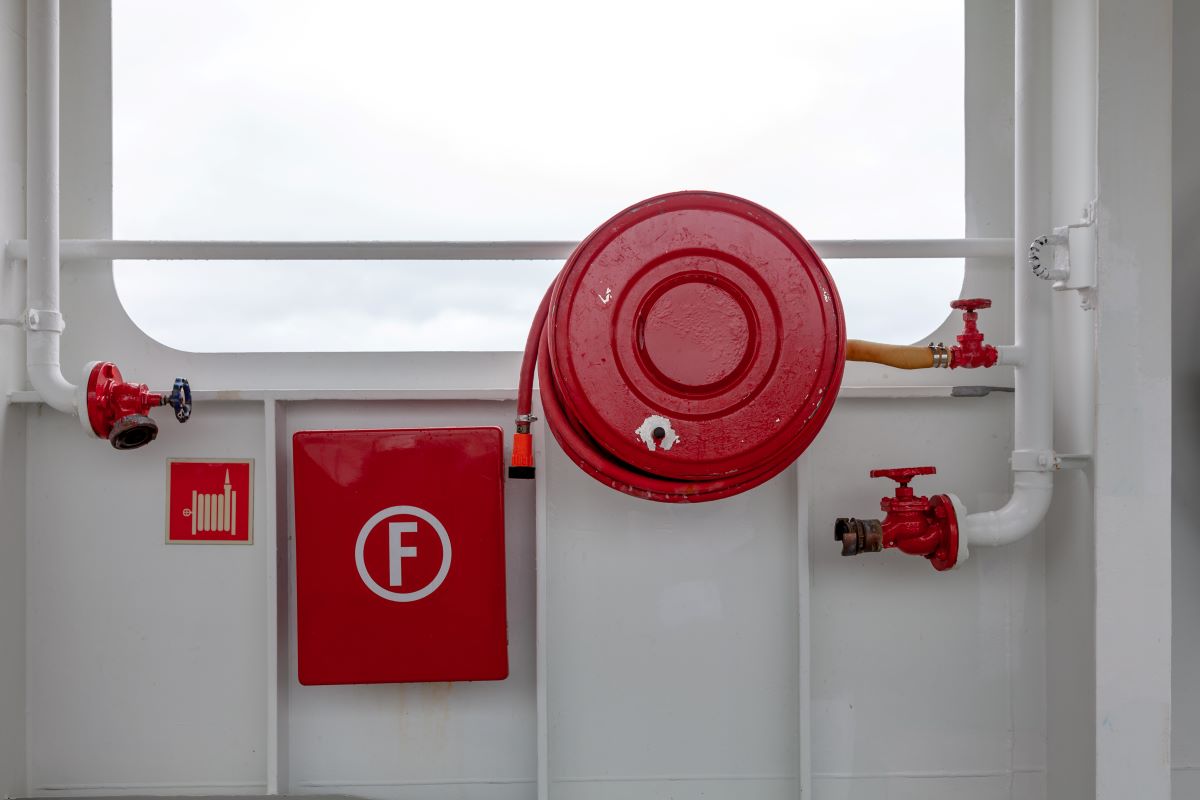
Many factors can cause a fire on a boat, including oil or gas leaks, short circuits and even grease catching fire on the top of stoves. To make sure you and your passengers are safe, Transport Canada has created rules surrounding specific classes of fire extinguishers and the types of boats that require them as part of their boating safety equipment.
Keep reading to learn about fire extinguisher regulations and which type you need for safe and legal recreational boating in Canada.
Key takeaways
- Transport Canada has created regulations to govern fire extinguisher requirements on boats in Canada.
- Boat fire extinguishers are divided into different classes, according to the type and size of fire they can put out.
- Boat fire extinguisher requirements, including both type and number of extinguishers, vary according to the type and size of pleasure craft.
Table of contents
Types of boat fire extinguishers
Fire extinguishers are labelled according to their class (a letter) and their rating (a number representing their extinguishing performance).
Fire extinguisher classes
There are three different types or classes of fire extinguishers for a boat, according to the specific type of fire they are designed to put out.
Class A
These extinguishers are effective against fires connected to regular combustible products like paper, wood, fabrics, rubber and plastics.
Class B
These extinguishers are designed to fight fires linked to flammable liquids like oils, paints, gas, grease, varnishes and petrol.
Class C
These extinguishers will put out fires affecting electrically powered equipment like engines, electronic devices and electric tools.
Fire extinguisher ratings
The numbers on a fire extinguisher indicate how much square footage the contents can treat in case of fire. The higher the rating, the larger the fire it can put out. Number ratings only apply to Class A and B fire extinguishers. The appended C in an extinguisher rating means it’s safe for electrical fires, but the number prefix is not indicative of the size.
Example of boat fire extinguisher rating and use
A 40BC extinguisher is designed to extinguish 40 square feet of a Class B fire. It could also be used on a Class C fire or unspecified size. A 10BC extinguisher could handle 10 square feet of the same.
Number and type of fire extinguishers required on a pleasure craft
So, what type of fire extinguisher do you need on your pleasure craft? And what determines the number of fire extinguishers on a boat?
The full list of factors taken into consideration to determine the number and type of fire extinguishers required on a pleasure craft in Canada can be found on the Justice Laws Website. Regulations may differ according to the type of boat and its length.
Take a look at a summary of Canadian boat fire extinguisher requirements in the table below:
| Boat Length | Fire Extinguisher Type | Conditions |
| Up to 6 metres (19ft8) | Class 5BC fire extinguisher | You need a fire extinguisher on board if your boat contains an interior engine, a fixed fuel tank of any size or any fuel burning, heating, cooling or cooking appliance. |
| Between 6 and 9 metres (19ft8 – 29ft6) | Class 5BC fire extinguisher | You need a fire extinguisher on board if your boat is equipped with a fuel-powered cooking, heating or refrigeration appliance, or if your boat is a motorboat. |
| Between 9 and 12 metres (29ft6 – 39ft4) | Class 10BC fire extinguisher | You need a fire extinguisher on board if your boat:
|
| Between 12 and 24 metres (39ft4 – 78ft9) | Class 10BC fire extinguisher | You need one fire extinguisher in each of the following locations on board:
|
| More than 24 metres (78ft9) | Class 10BC fire extinguisher | You need one fire extinguisher in each of the following locations on board:
|
The National Boating Safety School safe boating course will prepare you to obtain your Pleasure Craft Operator Card
The National Boating Safety School offers a Transport Canada approved boating safety course that will prepare you for the official online boating exam. Once you pass the test, you will be awarded your lifetime Pleasure Craft Operator Card. Register today!
Frequently Asked Questions
1. Where must a fire extinguisher be located on a boat?
A boat fire extinguisher must be located in a place that is easily accessible in an emergency. Depending on where in Canada you are boating, there may be specific local regulations about where you can store your safety equipment. In general, it must be easily within reach so you can respond quickly in case of a boat fire.
Here are some common and recommended locations:
- Near the helm/cockpit
- In the galley/kitchen area
- Near the engine compartment
- At cabin entrances
- Near fuel storage areas
2. What is required for boat fire extinguisher maintenance?
For everyone’s safety, boat fire extinguishers must be inspected regularly to make sure they function correctly. They should also be turned upside down and shaken vigorously once a month, to prevent the chemical agent inside them from hardening.
Sources
- Government of Canada Small Vessel Regulations (SOR/2010-91) Justice Laws Website. https://laws-lois.justice.gc.ca/eng/regulations/sor-2010-91/page-6.html
- Transport Canada. SAFE BOATING GUIDE. . https://tc.canada.ca/sites/default/files/2024-03/tp_511e.pdf
Related CONTENT
LAtest ARTICLES