
Boat Radar Reflector Requirements in Canada
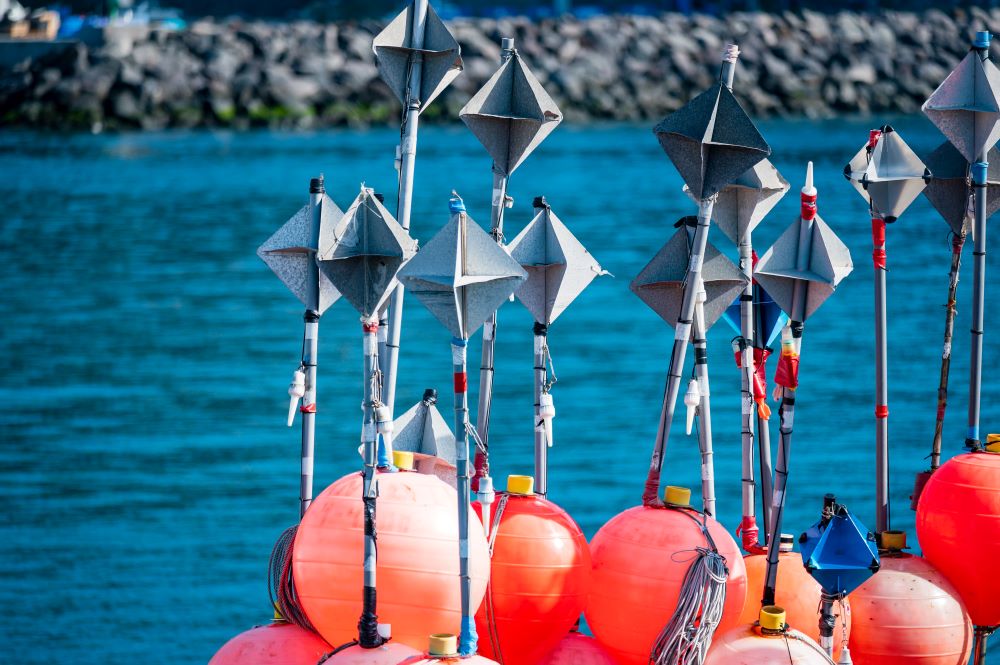
When it comes to safety on the water, boat radar reflectors are key for improving visibility and reducing the risk of collision. Here we explain official boat radar reflector regulations in Canada, including where to install them and how to use them correctly.
Key takeaways
- Boat radar reflectors are required safety equipment on boats in Canada that are less than 20 meters in length and/or made out of non-metallic materials.
- Passive radar reflectors do not require a power source. Active radar reflectors are electronically powered and magnify your presence.
- A radar reflector must be installed at least 4 metres above the waterline and other obstructions.
- A boat radar reflector must be appropriately sized according to the size of your boat.
- You may not need a radar reflector if your vessel is operating in limited traffic, your vessel is operating during daylight hours with good visibility, or if your vessel is too small to make a radar reflector practical.
Table of contents
What is a boat radar reflector?
Boat radar reflectors, like navigation lights, improve the visibility of boats. This is especially important at night, in fog or in any conditions of reduced visibility. Radar reflectors can determine both the position and speed of another boat or object at sea thanks to a system of reflected electromagnetic waves. They allow larger vessels to detect smaller boats and avoid collisions.
It is important to note that boat reflectors do not guarantee 100% visibility and that caution and vigilance are always required at sea to avoid collisions.
Despite their imperfections, boat radar reflectors are still strongly recommended, and sometimes required, as they are proven to improve boating safety.
Characteristics of boat radar reflectors
You can purchase a boat radar reflector made from metal, plastic or fiberglass. Most boaters will choose a radar reflector that offers high reflectivity, good weather resistance and solid durability.
Types of boat radar reflectors
There are a variety of different boat reflectors on the market. Two distinct types, passive and active radar reflectors, offer different levels of performance and functionality.
Passive radar reflectors
A passive radar reflector is like a mirror, reflecting some of the light that hits it.
Most boaters use passive radar reflectors. These rely on reflective materials (metal or plastic) to bounce radar signals back to other boats, allowing vessels to detect the presence of the boat with the reflector. Passive radar reflectors are a practical choice as they are simple to install and do not require a power supply.
Active radar reflectors
An active radar reflector is more like a flashlight, actively shining a bright light back at the source.
An active radar reflector, also known as a Radar Target Enhancer (RTE), is an electronic device designed to significantly increase a boat's visibility on the radar screens of other vessels. When an active radar reflector receives a radar signal from another vessel, it doesn't just passively reflect it. Instead, it electronically amplifies the signal and then retransmits a much stronger one back to the source. Because the signal it sends back is so much stronger, a small boat will appear as a much larger and more consistent target on the other vessel's radar screen.
This makes it far less likely to be mistaken for "sea clutter" (wave interference) or overlooked entirely. Many active radar reflectors also have an audible alarm that sounds when they detect a radar signal from another vessel. Commercial and large vessels use different radar frequencies (X-band and S-band). An active radar reflector is often designed to work on both of these frequencies, ensuring your boat is visible to a wide range of vessels.
The best place to install a radar reflector
Where to install a radar reflector depends on various factors such as the size and shape of the reflector and the size of your boat. Generally, the larger the reflector, the better its performance. It's recommended to choose the largest one that is practical for your boat.
The most important factor in installing a boat radar reflector is height. You will need to position the reflector high enough to effectively bounce signals back to their sources. It is recommended that the radar reflector be installed above all equipment, as high up as possible, ideally at least 4 meters above water level and any other obstructions.
Choosing the right type of radar reflector for your boat
It is important to choose a type of radar reflector that is suitable for your particular boat.
Transport Canada's Collision Regulations dictate the requirements for radar reflectors on pleasure craft. A radar reflector is generally required for:
- Vessels less than 20 meters (65.6 feet) in length.
- Vessels built primarily of non-metallic materials (e.g., fiberglass or wood).
Exceptions: when a radar reflector is not required
A radar reflector may not be required if:
- Your vessel is operating in limited traffic
- Your vessel is operating during daylight hours with good visibility
- If it is too small to make a radar reflector practical.
The National Boating Safety School safe boating course will prepare you to obtain your Pleasure Craft Operator Card
The National Boating Safety School offers a Transport Canada approved boating safety course that will prepare you for the official online boating exam. Once you pass the test, you will be awarded your lifetime Pleasure Craft Operator Card. Register today!
Frequently Asked Questions
1. Does a radar reflector guarantee that other boats will see me?
No. A radar reflector significantly increases your chances of being seen, but it is not a guarantee. Factors like sea conditions, rain, the type of radar used by the other vessel, and the attention of the operator all play a role. A radar reflector is an important safety tool, but it should always be used in conjunction with a proper lookout, navigation lights, and other safety practices.
2. Do I need to do maintenance on my radar reflectors?
Regular maintenance of boat radar reflectors is important so that they function efficiently. Follow these guidelines:
- Clean boat radar reflectors often using fresh water and a mild detergent to remove any dirt that might get in the way of radio waves.
- Check the brackets and fasteners regularly to make sure they are in good condition and show no signs of wear or corrosion.
- Replace damaged or defective radar reflectors as soon as possible.
Sources
- Government of Canada Standards — Lights, Shapes, Sound-signalling Appliances and Radar Reflectors. Justice Laws Website. https://laws-lois.justice.gc.ca/eng/regulations/C.R.C.%2C_c._1416/page-2.html
- Government of Canada. Collision Regulations. Justice Laws Website. https://laws-lois.justice.gc.ca/eng/regulations/C.R.C.%2C_c._1416/page-2.html
Related CONTENT
LAtest ARTICLES