
Types of Boating Distress Signals
If you are a pleasure boater operating a small craft, motorised vessel, sailboat or PWC, you need to be familiar with marine distress signals.
With boater safety in mind, we decided to create a complete guide to visual, audio and radio distress signals for all types of boaters.
Here are the most efficient ways to signal that your crew is in danger and recognize when another boat is in trouble and needs assistance.
Key takeaways
- Recreational boaters in Canada need to know how to signal for help if they are in distress.
- Depending on the situation and the type of help required, boaters can use visual distress signals, audio distress signals, or marine radio distress signals.
- To be fully prepared to signal for help if needed, boaters need to carry the appropriate equipment on board, and verify that it is functioning correctly before each trip.
- Distress signals must never be used in a non-emergency situation.
Table of contents
- Marine visual distress signals
- Marine audio distress signals
- Marine radio distress signals
- Frequently Asked Questions
Marine visual distress signals
Boaters can signal distress using flags, flares, smoke signals, markers and arm signals.
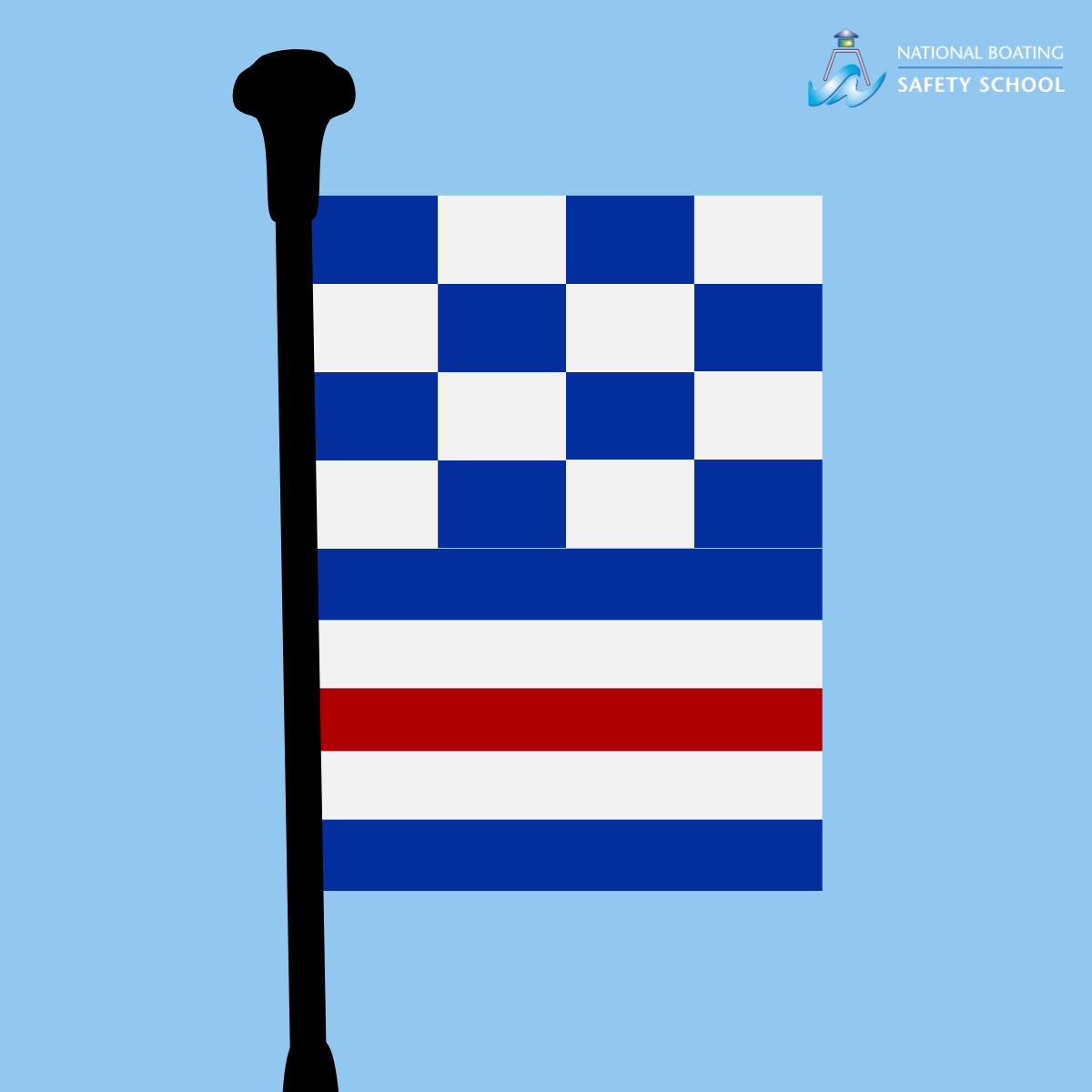
Distress flags N over C
To signal distress, you can use the methods established by the International Code of Signals (INTERCO), which is a global system of signals and codes designed for vessels to communicate essential messages about navigation safety and related issues. The International Signal for Distress is Code Flag ‘N’ (November) flown above Code Flag ‘C’ (Charlie).
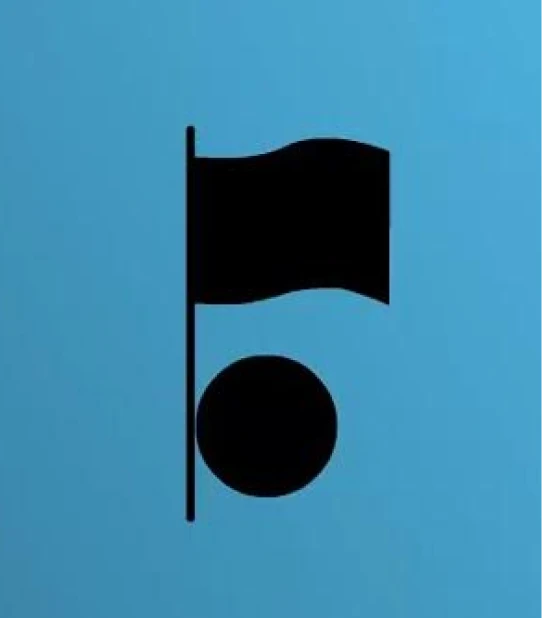
A ball over or under a square flag
This marine visual distress signal consists of a square flag accompanied by a ball or ball-shaped object. The ball can be placed over or under the flag.

S.O.S distress flag
The orange distress cloth or flag is designed to be visible to planes and helicopters during the daytime. It is a piece of orange cloth with a black square and a black circle on it.
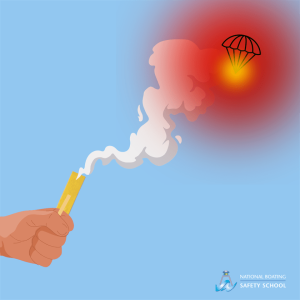
Rocket parachute flare (Type A)
Another way to signal that you need assistance while boating is by sending up a rocket parachute flare. This type of flare creates a single red star
that reaches a height of around 300 m (984 ft.), then floats down gently with the aid of a parachute. It can be seen easily from the ground or the air and burns for around 40 seconds.
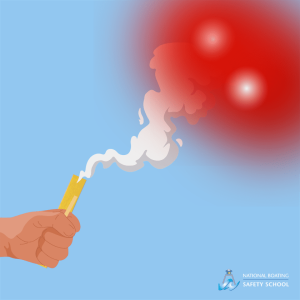
Multi-star flare (Type B)
A multi-star flare can also be used to signal distress while boating. It creates two or more red stars, roughly 15 seconds apart, which reach a height of around 100 m (328 ft.). They are easily visible from the ground or the air from about 12 nautical miles and burn for 4 or 5 seconds.
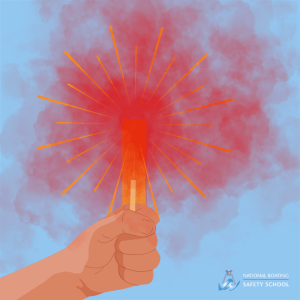
Hand flare (Type C)
This distress signal consists of a red flame that burns at the end of a hand-held torch. The flame is difficult to spot from the ground, but is useful to pinpoint your position from the air. It burns for around a minute.
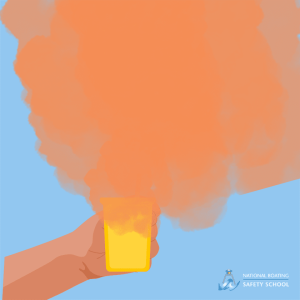
Floating or hand-held orange smoke signal (Type D)
This type of boating distress signal produces dense orange smoke for around 3 minutes and is most effective during the day.
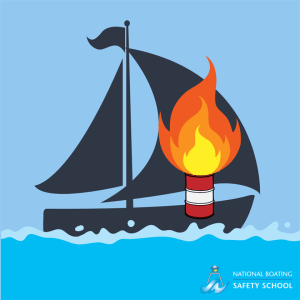
Flames on the vessel
Flames can be used to alert other vessels that the crew is in distress. You can use a barrel of oil, tar or other combustible materials to create flames within a contained area, but be very careful to make sure they don’t get out of control. Always keep a boat fire extinguisher on hand.
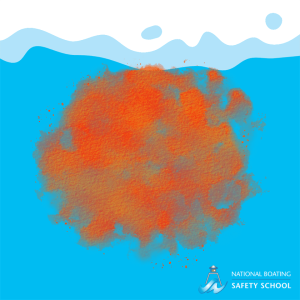
Dye markers
During the day, you can release orange dye into the water to signal that you are in distress. This visual signal makes it much easier to spot your boat from the air, and is especially effective on windy days.
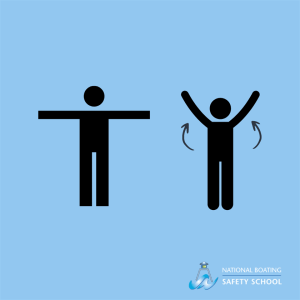
Arm signals
You can also signal distress by placing your arms straight out to the sides and moving them up and down slowly and repeatedly. (Don’t do this near a helicopter, because this signal means something different to them.)
Marine audio distress signals
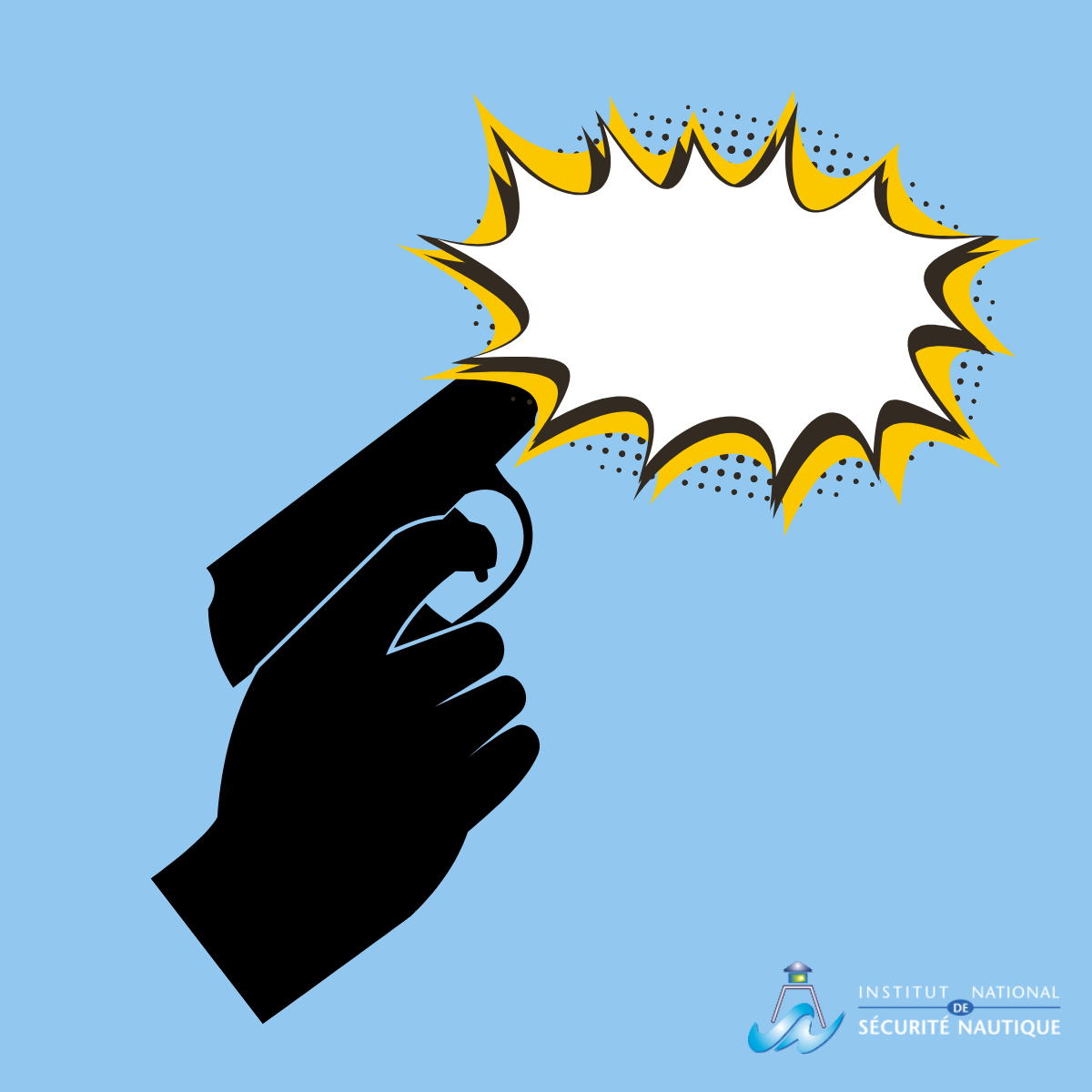
Gunshots or explosive sounds at one-minute intervals
Firing off gunshots or making explosive sounds at one-minute intervals signals that you are in distress on a boat.
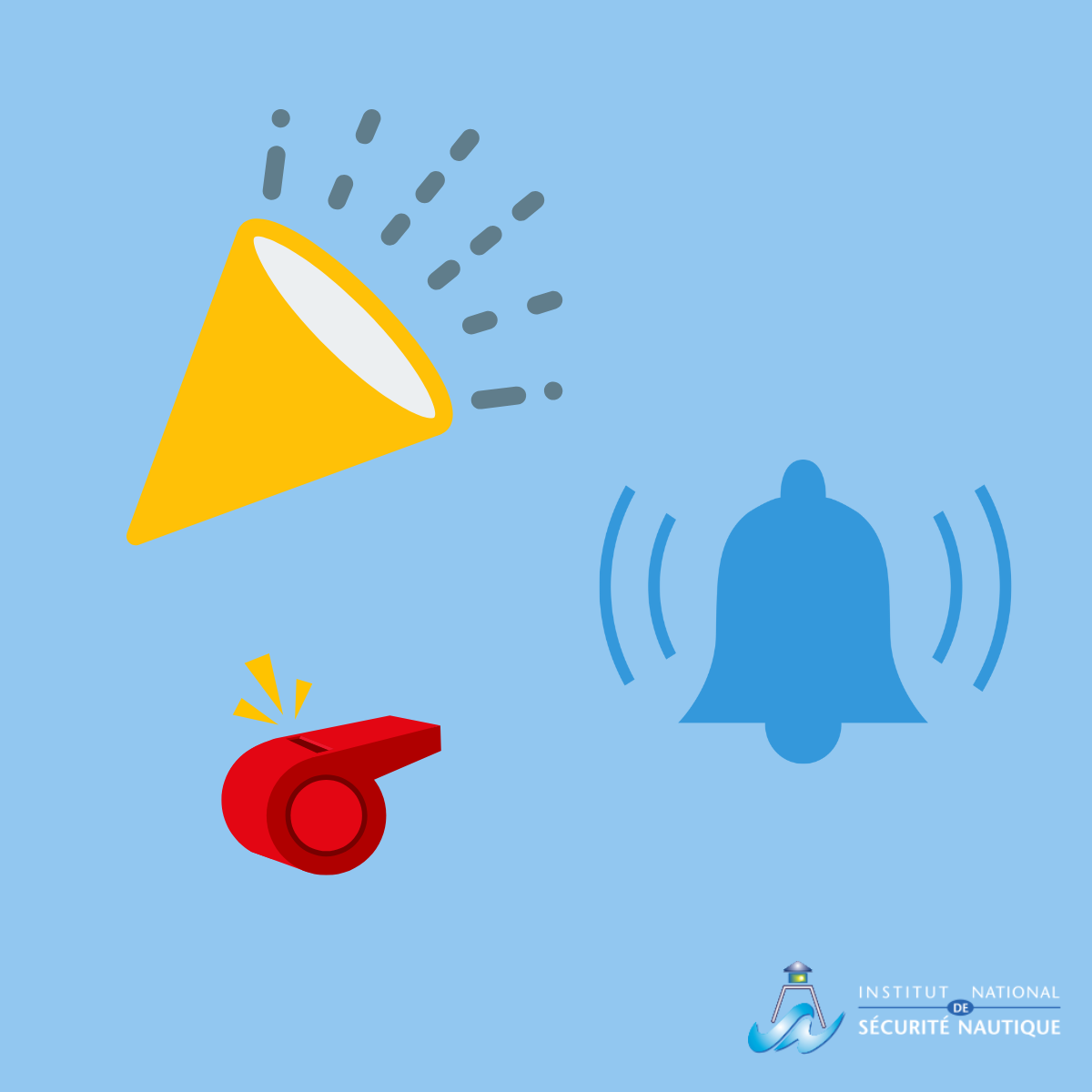
Continuous sound from a foghorn, bell, whistle or other sound-signalling device
Continuous sound from a sound-signalling device will alert other boats that you are in trouble and need help.
Marine radio distress signals
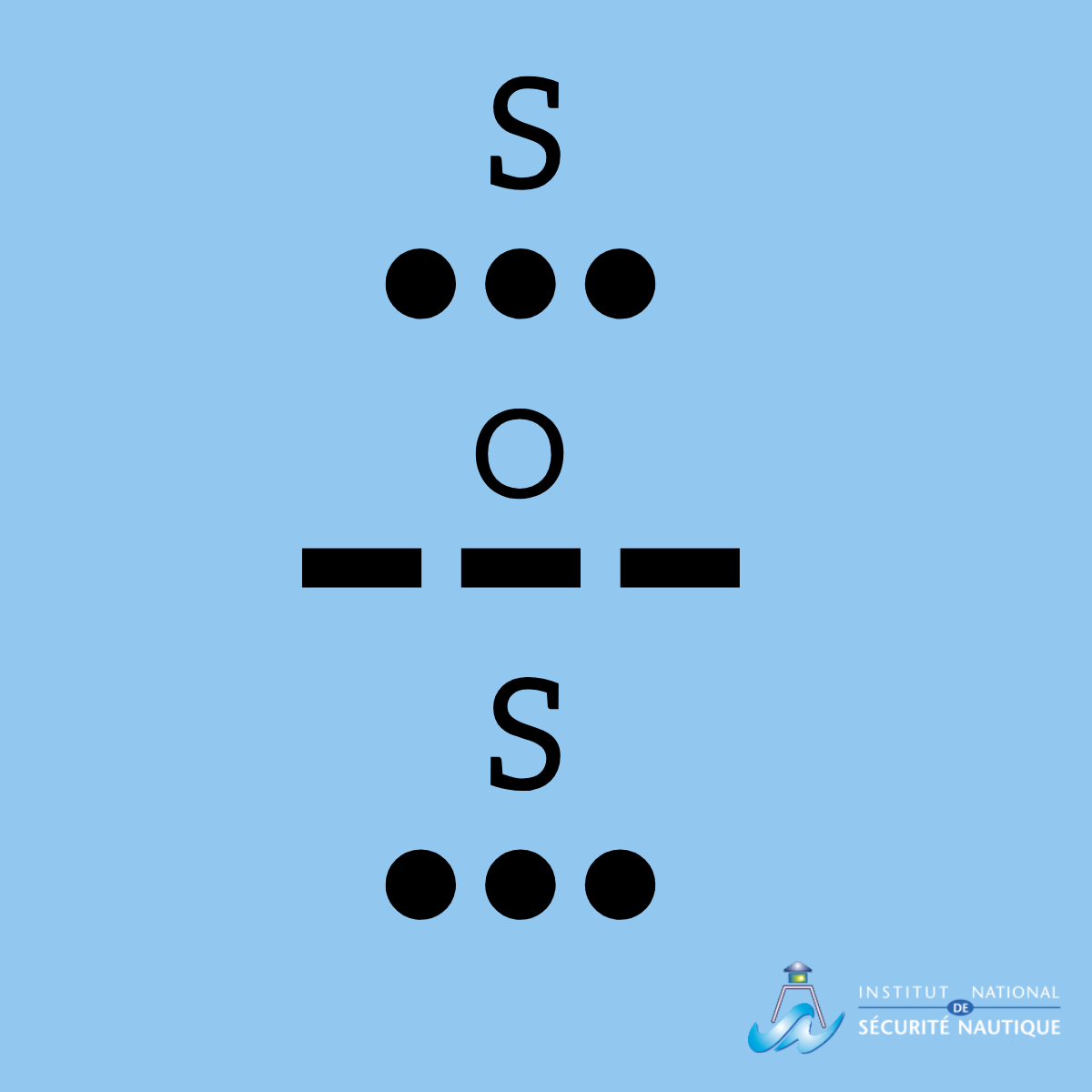
SOS in Morse code (… —…)
If you have a device on board that allows you to communicate in Morse code, you can signal distress by transmitting an SOS.
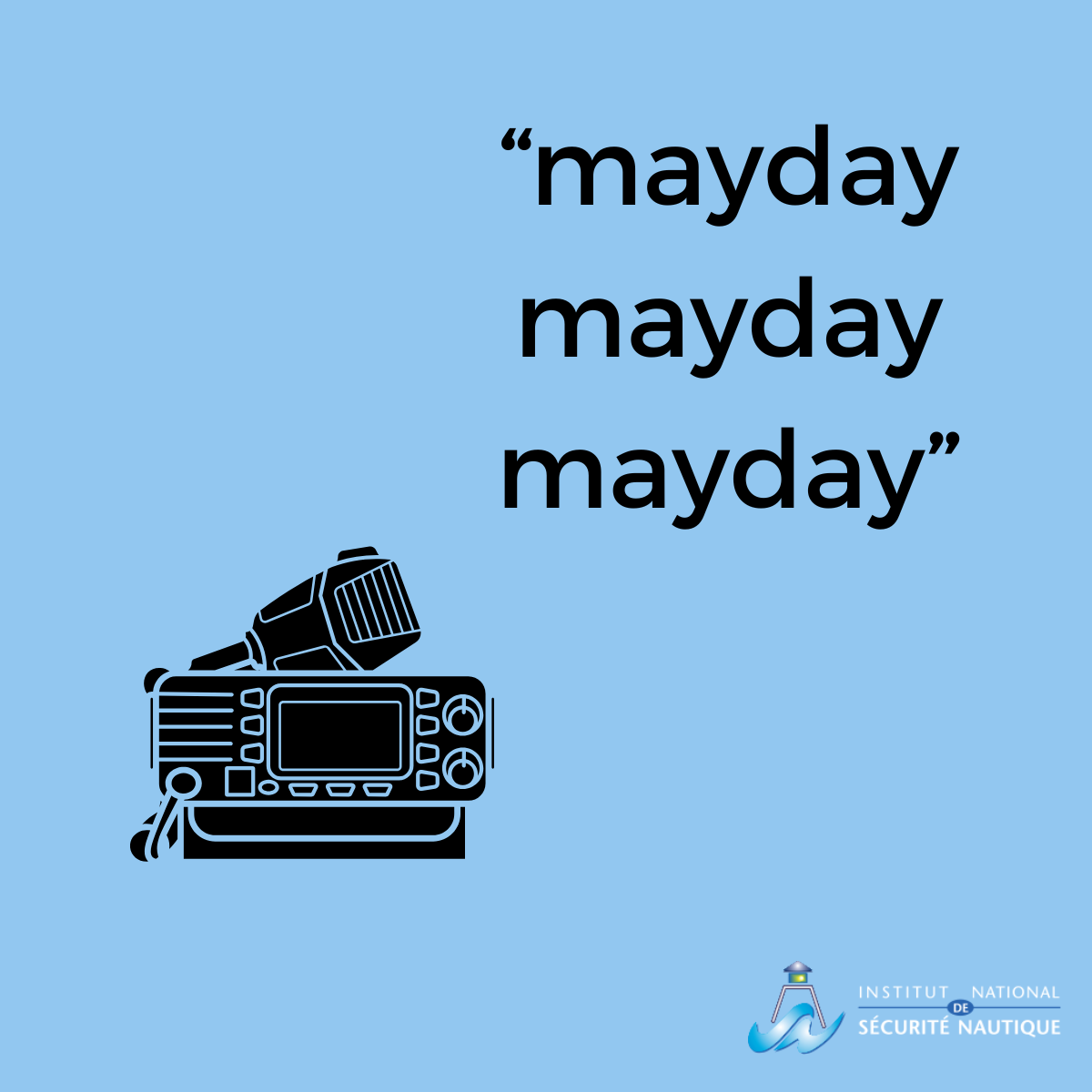
Repeat “MAYDAY” over VHF radio
If you have a marine VHF radio on board and you need to send a distress signal (for example, if your boat is taking on water and you are in danger of sinking or capsizing due to a collision), use channel 16 and repeat “MAYDAY” 3 times. You must be ready to give the name of your boat, its position, the nature of your problem and the type of assistance you need.
Dial *16 on your cell phone
You can also use your cell phone to call for help and rescue by dialling *16. However, cell phones do not always work well on the water and should not be considered a substitute for VHF radio.
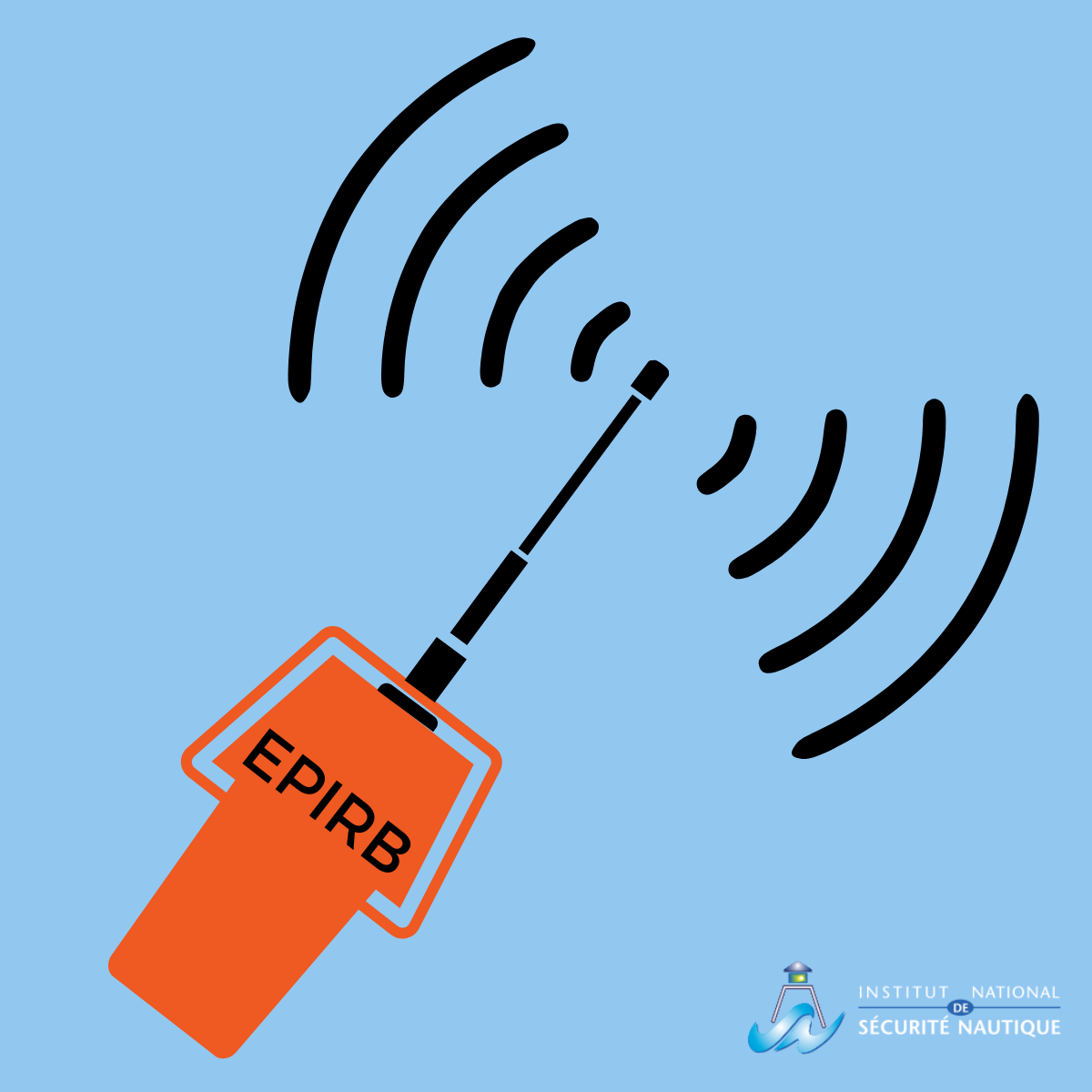
Emergency Position Indicating Radio Beacon (EPIRB)
If you have the equipment on board, an Emergency Position Indicating Radio Beacon (EPIRB) can be an effective way of signalling distress.
The National Boating Safety School safe boating course will prepare you to obtain your Pleasure Craft Operator Card
The National Boating Safety School offers a Transport Canada approved boating safety course that will prepare you for the official online boating exam. Once you pass the test, you will be awarded your lifetime Pleasure Craft Operator Card. Register today!
Frequently Asked Questions
1. What distress signals am I required to carry on my boat?
The specific requirements depend on the size of your boat and the body of water you're operating on. Generally, if your pleasure craft is more than one nautical mile from shore on any ocean, river, canal, or lake, you are required to have distress signals.
- Vessels over 6 meters: Must carry a certain number of pyrotechnic distress signals (flares), with the number increasing based on the length of the vessel. For example, a vessel between 6 and 9 meters must have at least six flares. A watertight flashlight is also generally required.
- Vessels under 6 meters with a motor: Can often use a watertight flashlight as an alternative to flares.
- Human-powered craft: Specific rules may apply, but a watertight flashlight and sound-signaling device are commonly required.
2. Do flares expire? What do I do with expired flares?
Yes, pyrotechnic flares have an expiration date, which is four years from the date of manufacture. It is illegal to have expired flares as part of your required safety equipment. You should never test or fire flares unless in a genuine emergency. Expired flares are considered hazardous waste and must be disposed of properly according to Canadian boating pollution laws.
3. Can I use a cell phone instead of a marine radio?
While a cell phone can be a helpful tool for emergencies in areas with cellular coverage, it is not a substitute for a marine radio. Marine radios (VHF) are specifically designed for communication on the water, they are more reliable in a marine environment, and they allow you to communicate directly with the Coast Guard and other nearby vessels, who can provide immediate assistance. The Coast Guard monitors VHF Channel 16 on a 24-hour basis.
Sources
- Government of Canada Small Vessel Regulations (SOR/2010-91) Justice Laws Website. https://laws-lois.justice.gc.ca/eng/regulations/sor-2010-91/page-6.html
- Transport Canada. SAFE BOATING GUIDE. . https://tc.canada.ca/sites/default/files/2024-03/tp_511e.pdf
Related CONTENT
LAtest ARTICLES